


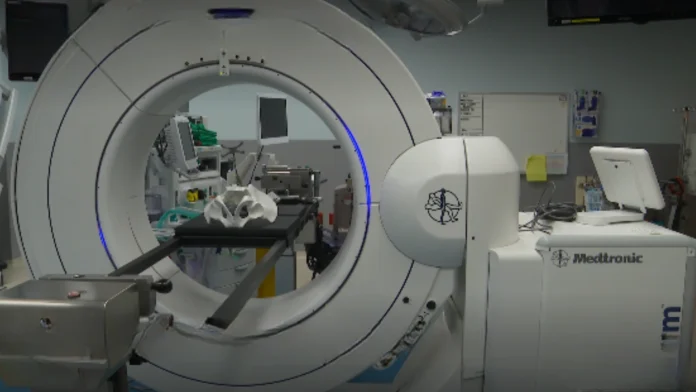
The IWK is short on imaging staff and is borrowing doctors from Nova Scotia Health to keep services running so your scans should still get done and read. The long waits (up to ~15 months for routine mammograms in parts of the Halifax area) are mainly caused by a shortage of technologists, not doctors. You’re not stuck in one queue: you can ask about other locations, join a cancellation list, and flag anything urgent to your own doctor.
Is The IWK Still Doing My Scan – Or Could It Get Cancelled?
It’s still doing them. The IWK the main hospital for women and children across the Maritimes has been running its diagnostic imaging department understaffed, so to avoid disruption it’s been borrowing radiologists from Nova Scotia Health’s central-zone team. Those doctors have been covering breast imaging, women’s imaging, interventional radiology and nuclear medicine. So the service is being held together by a partnership rather than a full department but it is being held together. Your appointment isn’t being quietly cancelled because of this.
Then Why Is My Wait Still So Long?
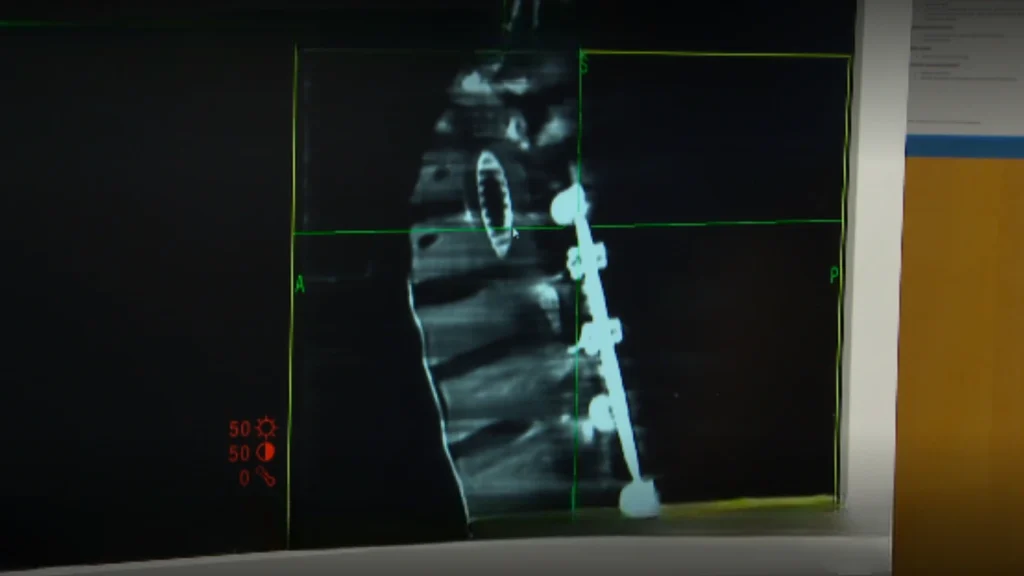
This is the part most coverage skips, and it’s the bit that actually explains your wait. There are really two separate shortages, and they’re not the same problem:
- Too few radiologists – the doctors who read your images. This is the gap Nova Scotia Health is currently plugging by lending its own. So your scan still gets read.
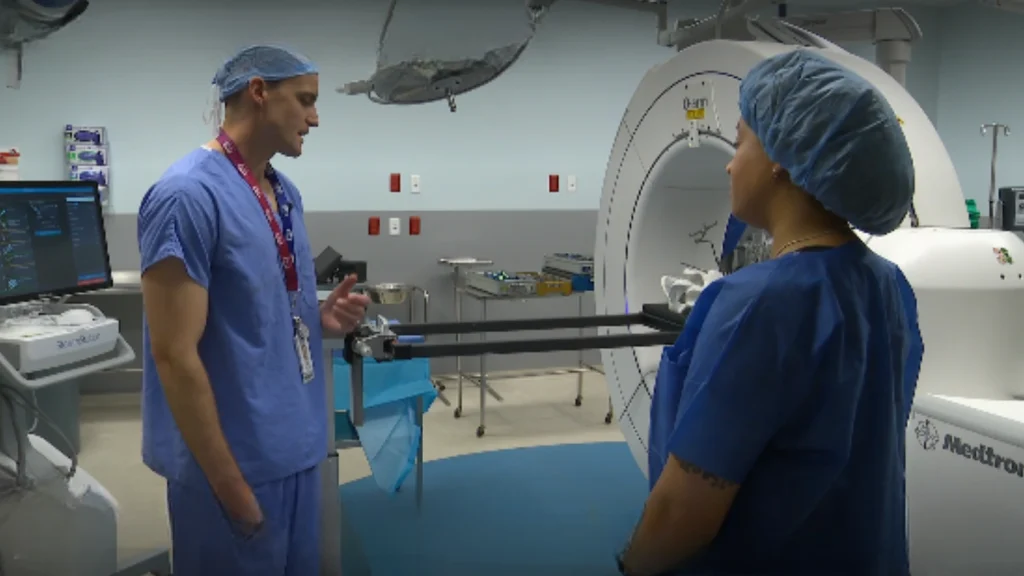
- Too few medical radiation technologists – the people who actually perform the scan: position you, run the machine, capture the image. This shortage is national, and it’s the real bottleneck.
Here's the logic in one line: it doesn't matter how many doctors are free to read scans if there aren't enough technologists to take them. So if you're waiting months, it's almost certainly the technologist shortage you're hitting which is why the wait won't just vanish when the doctor side improves.
How Bad Are The Mammogram Waits Right Now?
This is where it hurts most. Reporting has put routine mammogram waits at around 15 months in parts of the Halifax area long enough that women have spoken out, worried that cancers could be found later than they should be. The IWK, which runs the provincial breast-screening program, has named the national technologist shortage as the single biggest factor. If you’re in that queue, the worry is completely understandable.
link a phrase like “breast-screening program” or “routine mammograms” to a related article on your own site (e.g. a post on mammograms, screening, or wait times). Do NOT link to an unrelated or adult-industry domain it will harm this health page and could get it penalised.
Can I Get Seen Somewhere Faster?
Often, yes and this is the part worth acting on rather than just reading:
- Look beyond Halifax. The IWK itself has pointed patients to options like the regional hospital in Bridgewater or mobile screening clinics, where slots can come up sooner. Waits genuinely vary by location, so the closest site isn’t always the fastest.
- Get on a cancellation list. Many imaging departments will call you if an earlier slot opens. It’s free to ask, and easy to forget.
- Tell your own doctor if something’s changed. A routine screening and a scan prompted by a symptom are not the same queue. If something feels different, say so clearly it can change how urgently you’re seen.
- Don’t drop out of the system. A long wait is infuriating, but staying in the queue beats walking away. Overdue and anxious? That’s a conversation with your provider, not a reason to skip being checked.
None of this fixes the system but it can shorten your wait, which is the part that matters when it’s your health.
Is Anyone Actually Fixing This?
There is movement, yes. The Nova Scotia Health partnership is keeping core services open instead of cancelled. And on the workforce side, Dalhousie University has expanded its medical radiological technology program to train more technologists, with a larger cohort set to graduate and start filling the gaps alongside local and international recruitment. It won’t clear the backlog overnight, but more trained techs is exactly what the system is short of.
Information here is drawn from CBC News reporting and public statements from the IWK Health Centre, and is general information only not medical advice. For anything about your own care, speak with your healthcare provider.

