


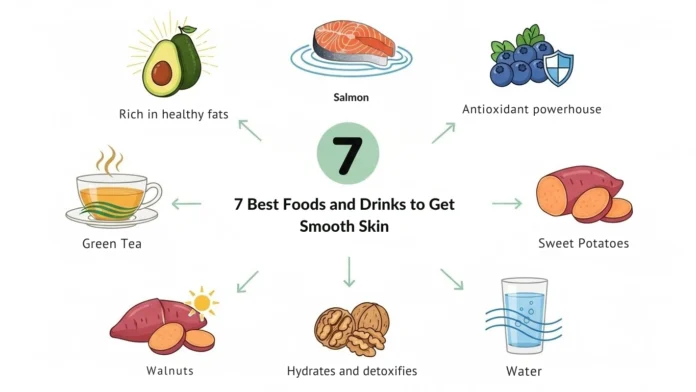
Want smooth, glowing skin? Start with your plate. Salmon floods your skin with omega-3s that fight inflammation and lock in moisture. Blueberries unleash a wave of antioxidants that shield your skin from aging and UV damage. Sweet potatoes feed your cells with beta-carotene, naturally renewing your complexion from within. Avocado is your skin’s best friend packed with healthy fats and Vitamin E that keep it soft, supple, and deeply nourished. A daily cup of green tea battles acne, tightens pores, and slows down aging with every sip. Walnuts deliver a potent mix of zinc, selenium, and omega-3s that clear, firm, and protect your skin like a natural shield. And the simplest hero of all? Water drink enough of it and your skin stays plump, detoxified, and radiantly clear. These aren’t just foods they are your daily skincare routine in disguise. Keep reading to discover exactly how each one transforms your skin.
Key Takeaways
- Eating omega-3-rich foods like salmon and walnuts reduces skin inflammation and boosts moisture.
- Antioxidant-rich foods like blueberries protect skin cells from environmental damage and premature aging.
- Beta-carotene found in sweet potatoes converts to Vitamin A a natural skin-renewing nutrient.
- Healthy fats in avocado deeply nourish and strengthen the skin’s protective barrier.
- Drinking green tea daily fights acne, reduces redness, and improves skin elasticity.
- Staying hydrated with water is the simplest and most powerful skin-smoothing habit you can build.
- True skin health comes from consistent nutrition habits, not quick fixes or topical products alone.
1. Salmon – The Skin Superfood
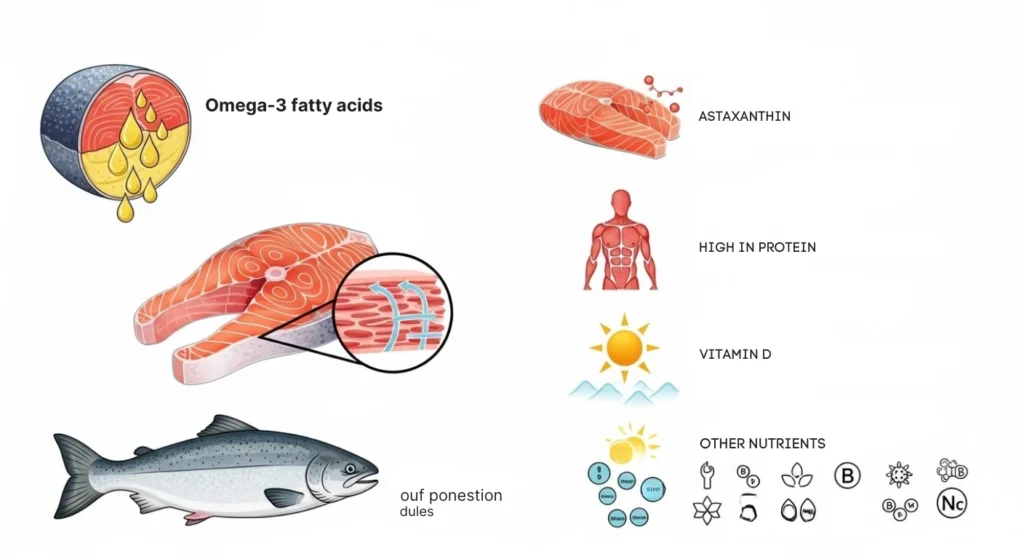
Salmon tops our list for good reason. This fatty fish is loaded with omega-3 fatty acids, which are essential for maintaining the skin’s lipid barrier the protective layer that keeps moisture in and environmental toxins out.
Why Salmon is Great for Your Skin:
- Omega-3 fatty acids reduce inflammation, which is a root cause of acne, redness, and premature aging.
- Rich in astaxanthin, a powerful antioxidant that improves skin elasticity and reduces wrinkles.
- High in protein, which supports the production of collagen and elastin the building blocks of smooth, firm skin.
- Contains Vitamin D, which helps regulate skin cell growth and repair.
How to Include It:
Aim for at least 2 servings of salmon per week. Enjoy it grilled, baked, or in sushi. Canned salmon is also a budget-friendly and nutritious alternative.
2. Blueberries The Antioxidant
Small but mighty, blueberries are one of the richest sources of antioxidants among all fruits and vegetables. They are truly nature’s anti-aging gift.
Why Blueberries are Great for Your Skin:
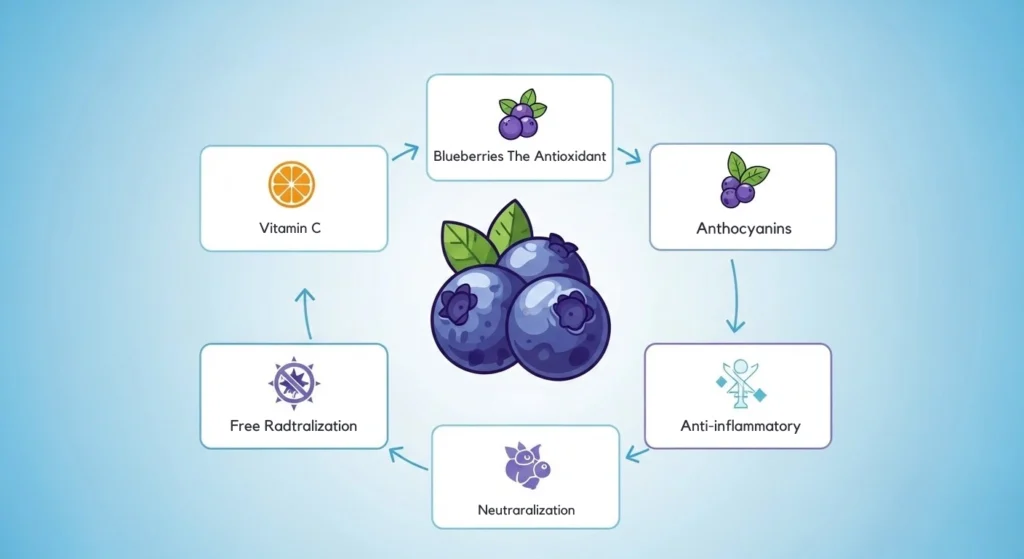
- Packed with Vitamin C, which stimulates collagen synthesis and brightens the complexion.
- Contain anthocyanins plant pigments with exceptional antioxidant properties that protect skin cells from damage caused by UV rays and pollution.
- Help neutralize free radicals unstable molecules that accelerate skin aging and cause dullness.
- Their anti-inflammatory compounds help reduce puffiness and calm irritated skin.
How to Include Them:
Add a handful of fresh or frozen blueberries to your morning smoothie, oatmeal, or yogurt. A cup of blueberries a day goes a long way for your skin.
3. Sweet Potatoes Nature Beta-Carotene
Sweet potatoes are more than just a delicious comfort food they are a skin-transforming superfood. Their vibrant orange color signals the presence of beta-carotene, a nutrient your skin absolutely loves.
Why Sweet Potatoes are Great for Your Skin:
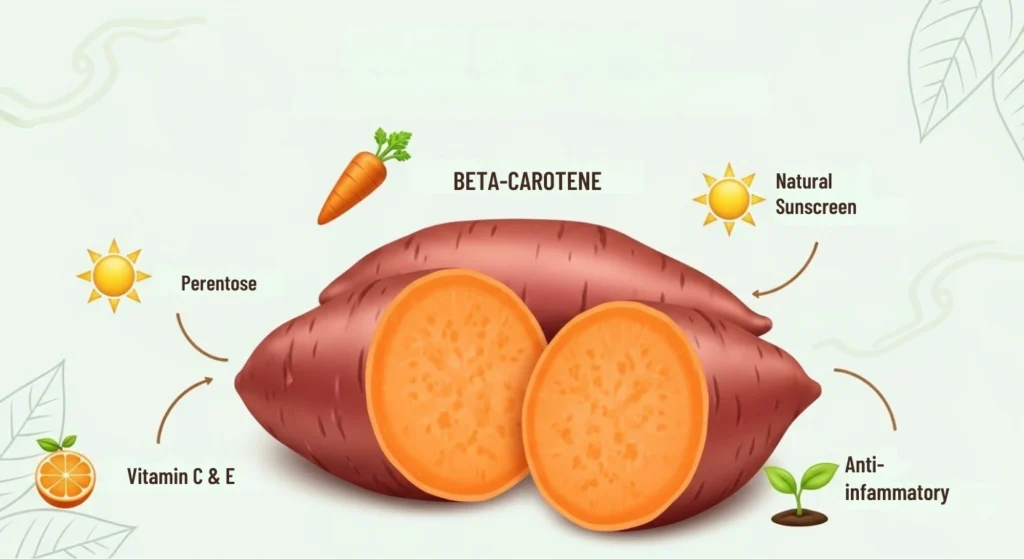
- Beta-carotene converts to Vitamin A in the body, which promotes skin cell turnover and gives your complexion a natural, healthy glow.
- Acts as a natural sunscreen from within, protecting skin cells from sun damage.
- Rich in Vitamin C and E, working together to fight oxidative stress.
- Their anti-inflammatory properties help soothe conditions like eczema and psoriasis.
How to Include Them:
Roast, bake, or steam sweet potatoes as a side dish. They also make a great addition to soups, stews, and salads. One medium sweet potato provides more than your daily requirement of Vitamin A.
4. Avocado Rich in Healthy Fats
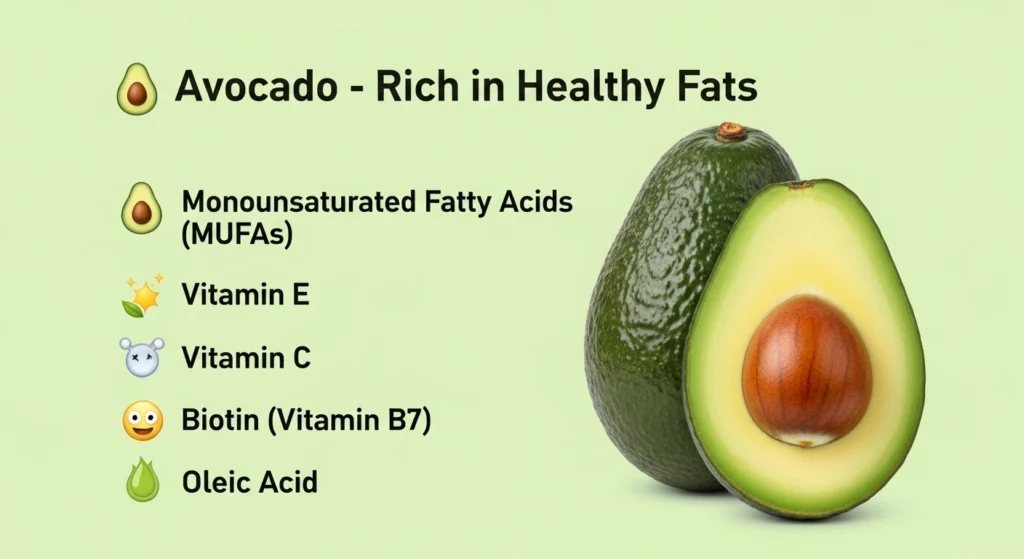
Avocado has earned its superfood status, and your skin is one of the biggest beneficiaries of this creamy green fruit. It is one of the few fruits that is genuinely rich in healthy fats.
Why Avocado is Great for Your Skin:
- High in monounsaturated fatty acids (MUFAs) that deeply moisturize the skin from within, keeping it soft and supple.
- Contains Vitamin E, a fat-soluble antioxidant that protects skin from oxidative damage and supports healing.
- Loaded with Vitamin C, which works synergistically with Vitamin E to fight free radicals.
- Contains biotin (Vitamin B7), which prevents dry skin and brittle nails.
- Oleic acid in avocados helps maintain the skin’s moisture barrier.
How to Include Them:
Spread avocado on whole grain toast, toss it into salads, blend it into smoothies, or enjoy classic guacamole. Eating half an avocado daily can make a visible difference in skin hydration.
5. Green Tea The Anti-Aging Elixir
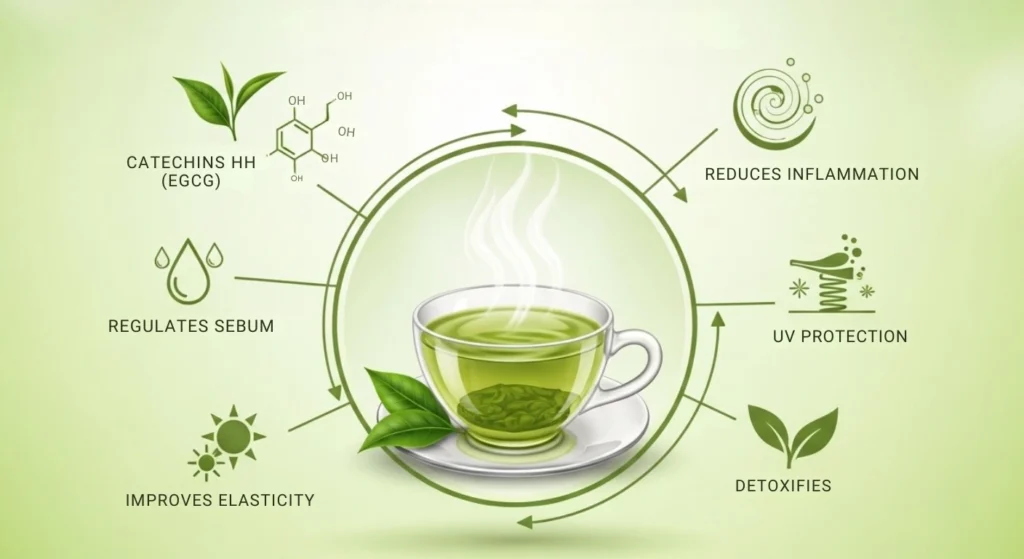
Green tea has been celebrated for centuries in Asian cultures for its remarkable health benefits, and modern science has confirmed what ancient wisdom always knew it is extraordinary for the skin.
Why Green Tea is Great for Your Skin:
- Rich in catechins, particularly EGCG (Epigallocatechin Gallate), one of the most potent antioxidants known to science.
- Reduces inflammation associated with acne, redness, and rosacea.
- Helps regulate sebum production, making it especially beneficial for oily and acne-prone skin.
- Protects against UV-induced skin damage and reduces the risk of skin cancer.
- Improves skin elasticity and reduces the appearance of fine lines.
- Detoxifies the body, which reflects directly on the clarity of your complexion.
How to Include It:
Drink 2–3 cups of green tea daily for best results. Matcha, a powdered form of green tea, provides an even more concentrated dose of antioxidants.
6. Walnuts The Skin-Nourishing Nut
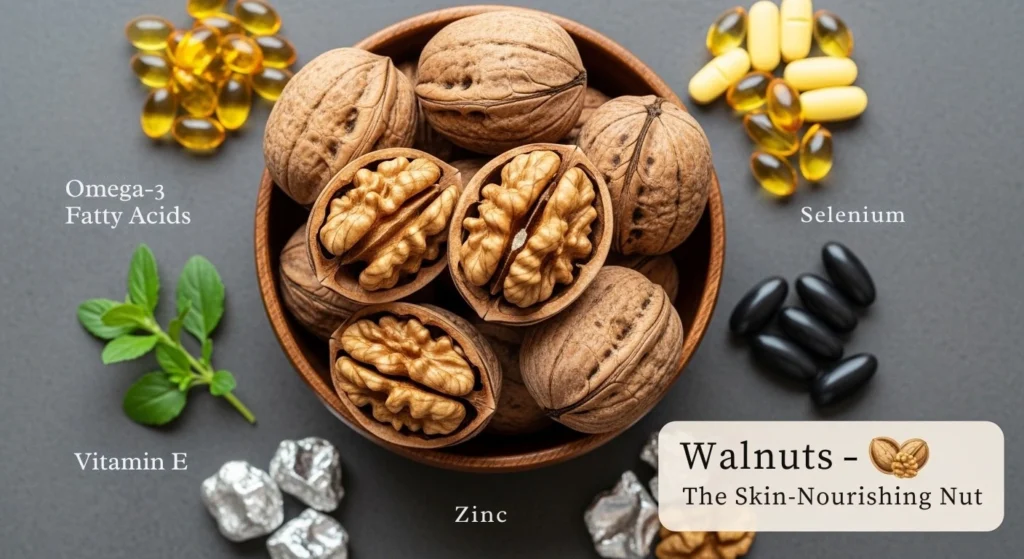
Among all nuts, walnuts stand out as a particularly powerful food for skin health. A small handful each day can make a significant difference.
Why Walnuts are Great for Your Skin:
- One of the best plant-based sources of omega-3 fatty acids, which reduce inflammation and keep skin moisturized.
- Rich in Vitamin E, which protects skin from environmental damage and aging.
- Contain zinc, a mineral essential for wound healing, fighting bacteria, and controlling oil production making them ideal for acne-prone skin.
- Provide selenium, which boosts the skin’s natural antioxidant defenses.
- High in Vitamin B complex, which improves skin tone and reduces dark spots.
How to Include Them:
Snack on a small handful of raw walnuts daily. Sprinkle them over salads, mix them into oatmeal, or add them to baked goods. Just 7–8 walnuts per day can provide your skin with a powerful nutritional boost.
7. Water Hydrates and Detoxifies
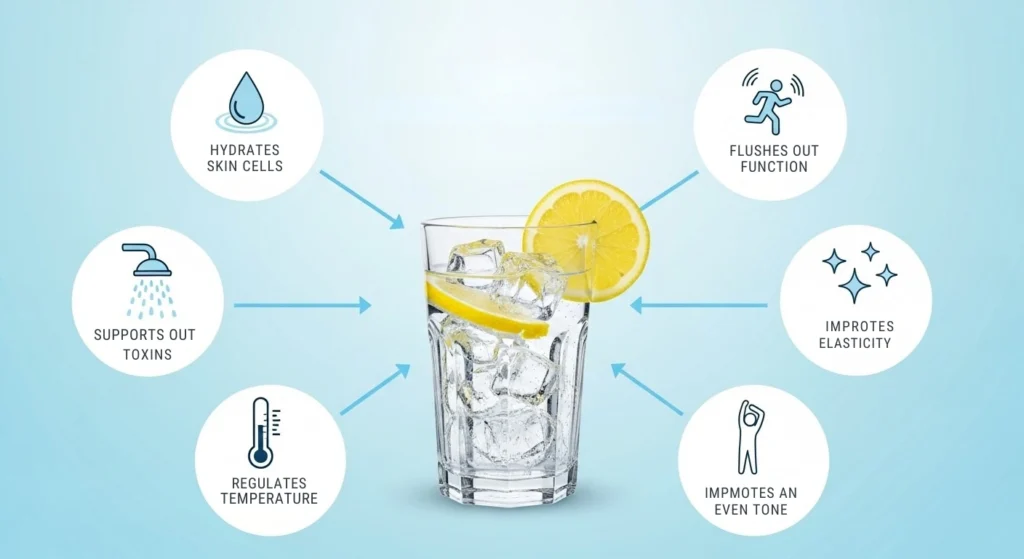
Last but certainly not least and arguably the most important item on this list is plain, pure water. No skincare routine, however expensive, can compensate for chronic dehydration.
Why Water is Essential for Your Skin:
- Keeps skin cells plump and hydrated, reducing the appearance of fine lines and wrinkles.
- Flushes out toxins from the body that would otherwise manifest as dull, congested, or breakout-prone skin.
- Supports kidney function, which plays a key role in eliminating waste products from the bloodstream.
- Regulates body temperature, preventing skin from becoming red and irritated.
- Improves skin elasticity well-hydrated skin bounces back more easily and looks firmer.
- Promotes an even skin tone and a natural, healthy glow.
How to Stay Hydrated:
Aim for 8–10 glasses (2–2.5 liters) of water per day. Increase intake during hot weather or physical activity. You can also boost hydration through water-rich foods like cucumber, watermelon, and oranges.
Bonus Tips for Smooth Skin from the Inside Out
Beyond these 7 superfoods and drinks, here are a few additional habits that complement your skin-friendly diet:
- Limit sugar and processed foods – they trigger inflammation and accelerate skin aging.
- Reduce alcohol consumption – alcohol dehydrates the skin and depletes essential nutrients.
- Get enough sleep – skin repairs and regenerates during deep sleep.
- Manage stress – chronic stress raises cortisol levels, which can trigger breakouts and dull skin.
- Exercise regularly physical activity improves blood circulation, delivering more oxygen and nutrients to skin cells.
Pro Tip: You don’t need to overhaul your entire diet overnight. Start by adding one or two of these foods each week and build from there. Small, consistent changes deliver the most lasting results.
References
- Harvard T.H. Chan School of Public Health — The Nutrition Source https://www.hsph.harvard.edu/nutritionsource/
- National Institutes of Health (NIH) — Omega-3 Fatty Acids and Skin Inflammation https://www.ncbi.nlm.nih.gov/pmc/articles/PMC3257651/
- Healthline — 12 Foods That Are Good for Your Skin https://www.healthline.com/nutrition/12-foods-for-healthy-skin
- PubMed — Green Tea Catechins and Skin Health https://pubmed.ncbi.nlm.nih.gov/21535283/